

Thoracic surgery is used to treat or diagnose conditions that affect the lungs, esophagus (“food tube”), and other parts of the chest, including near the heart. At UAB St. Vincent’s, many thoracic surgery procedures are performed using robotic tools and minimally invasive techniques, which require just a few small incisions (cuts) and may reduce pain and recovery time.
Our thoracic surgeons take a multi-specialty approach to care, working closely with other experts in pulmonology, oncology, and cardiology to manage complex conditions. We always listen closely to your concerns in designing and explaining a care plan that’s customized for you.
The chest and lung conditions we treat include:
- Chest wall deformities
- Chronic heartburn and acid reflux (gastroesophageal reflux disease, or GERD)
- Esophageal and lung cancers
- Excessive sweating (hyperhidrosis)
- Hiatal hernias
- Lung masses and nodules
- Pericardial cysts
- Pleural effusions
- Pulmonary conditions, including COPD and emphysema
- Tracheal stenosis
- Trouble swallowing
- Tumors of the mediastinum and thymus gland
- Vascular disorders, such as aortic aneurysm
- Esophageal injuries or perforation
- Airway obstruction (may require procedures such as bronchoscopy or tracheostomy)
Why UAB St. Vincent’s
Working closely with other specialists, we help you set expectations for surgery, interpret test and treatment results (including identifying cancer stages), plan for any further procedures, and support your recovery.
Here, you’ll be treated with advanced diagnostic tools and minimally invasive techniques, including the Ion robotic bronchoscopy system. Our thoracic surgeons have performed hundreds of procedures using this system, with anesthesia support.
After an imaging scan or lung cancer screening shows a spot or nodule, a biopsy (removing a small tissue sample) is often the most important next step in diagnosing lung conditions. The Ion system allows our team to biopsy small lung nodules that were difficult or impossible to reach with previous techniques. This technology helps us make a diagnosis sooner, which can improve treatment results.
Care Providers
 Brian Flanagan, MD
Pulmonology
Brian Flanagan, MD
Pulmonology
 Joshua Gautney, MD
Pulmonology
Joshua Gautney, MD
Pulmonology
 Frank Gleason, MD, MSPH
Thoracic Surgery, Cardiothoracic Surgery, Cardiac Surgery
Frank Gleason, MD, MSPH
Thoracic Surgery, Cardiothoracic Surgery, Cardiac Surgery
 Douglas Minnich, MD
Thoracic Surgery, Cardiac Surgery, General Surgery
Douglas Minnich, MD
Thoracic Surgery, Cardiac Surgery, General Surgery
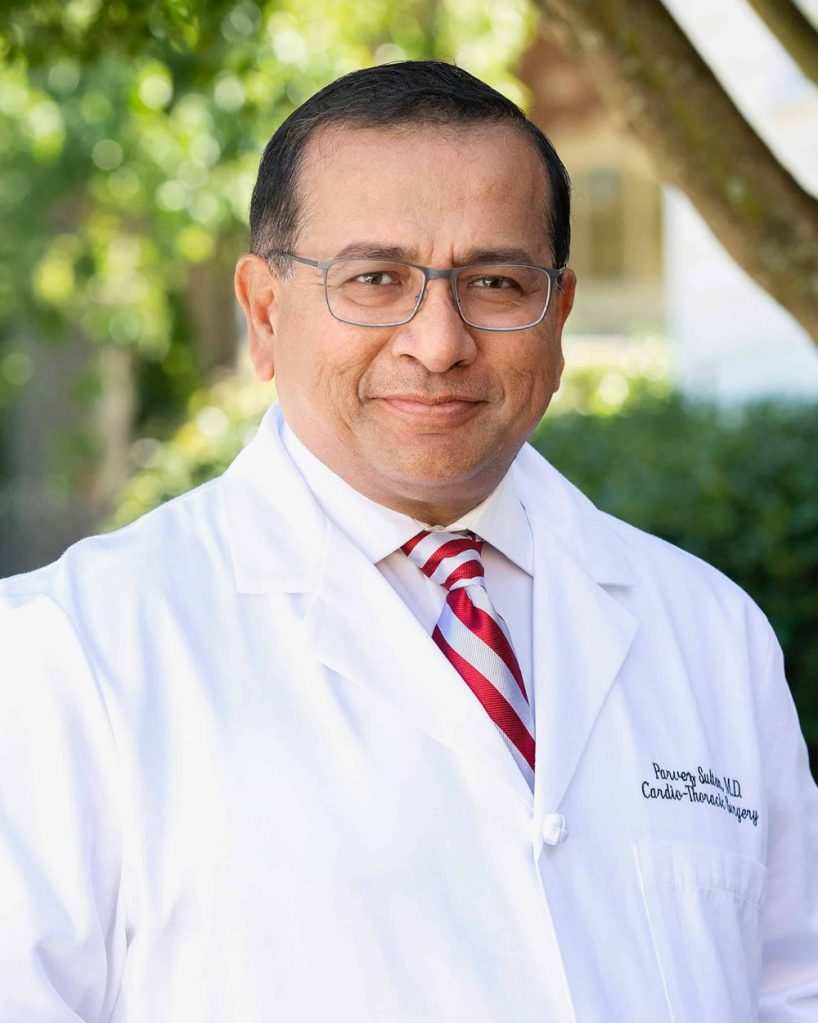 Parvez Sultan, MD
Cardiothoracic Surgery
Parvez Sultan, MD
Cardiothoracic Surgery
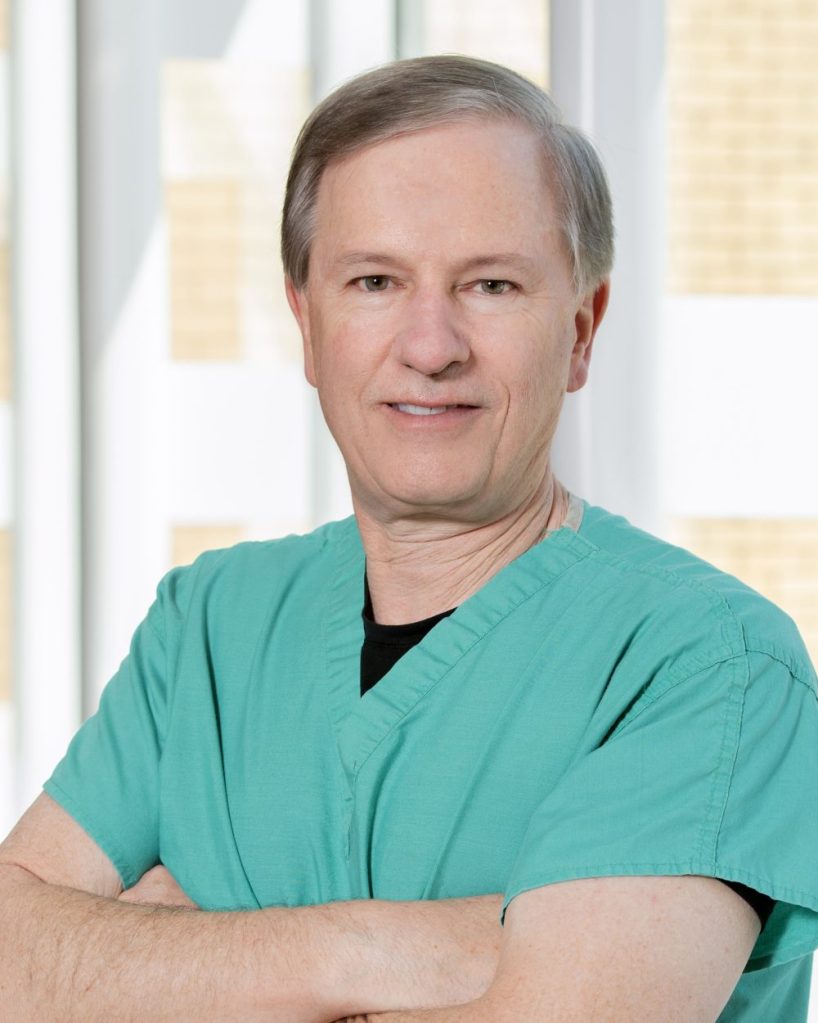 John Thurber, MD
Cardiothoracic Surgery
John Thurber, MD
Cardiothoracic Surgery
 Adam Witcher, MD
Cardiothoracic Surgery
Adam Witcher, MD
Cardiothoracic Surgery