

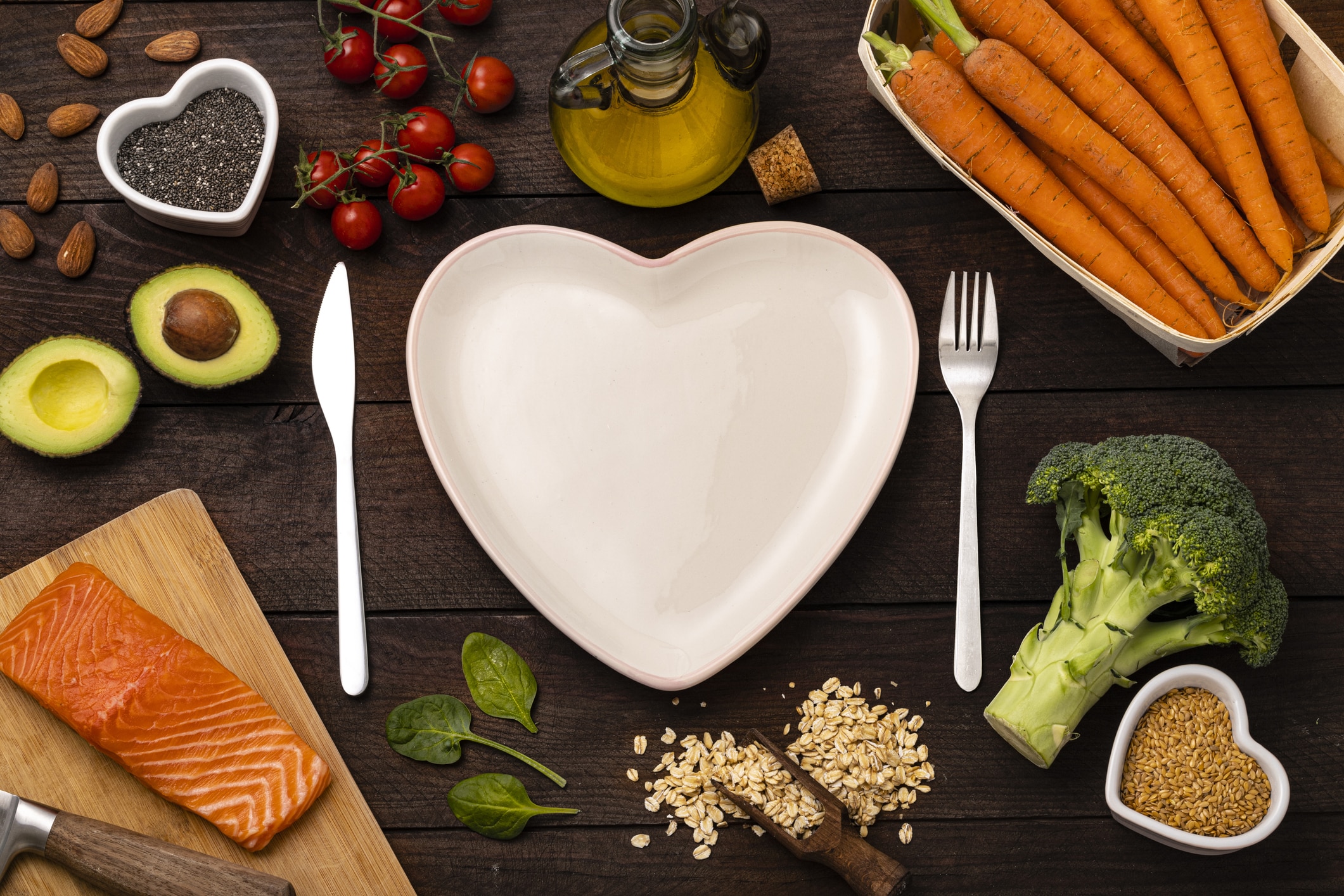
Heart disease continues to be one of the leading causes of illness in the United States, but good nutrition can help reduce your risk.
A heart-healthy diet can help support healthy cholesterol levels, blood pressure, and overall wellness. Below, UAB Medicine St. Vincent’s One Nineteen nutrition experts Megan Clark, RDN, LD, and Madison Clarke, RDN, LD, answer questions and share guidance to help you make more informed nutrition decisions to support your heart health.
What is a heart-healthy diet, and how does it support cardiovascular health?
A heart-healthy diet focuses on a pattern of eating that supports healthy cholesterol levels, controls blood pressure and blood sugar, and decreases inflammation. These are key factors in cardiovascular health.
Which foods are best for lowering cholesterol?
Some foods lower cholesterol naturally, such as:
- Fresh fruits and vegetables
- High-fiber foods, especially those that are high in soluble fiber (i.e. oats, beans, peas, legumes, whole grains)
- Foods that supply omega-3 fatty acids (i.e. fatty fish like salmon, mackerel, trout, and sardines; chia and flax seeds; walnuts)
- Foods that contain healthy fats (i.e. avocados and avocado oil, olive oil)
- Foods that contain plant sterols. These occur naturally in many plant-based foods such as nuts and seeds, legumes, whole grains, and fruits and vegetables. You can also find plant sterols in some fortified foods/spreads, orange juice, and some brands of granola/snacks bars.
Also, it can be beneficial to reduce your intake of foods high in saturated fat (fatty cuts of meat, full-fat dairy, lard, butter), foods that contain trans-fats (prepackaged baked goods, hydrogenated vegetable oils), and high-sugar foods (desserts, sweetened beverages, candy, foods with a large amount of added sugars).
How much sodium should someone eat for heart health? How can one cut down on sodium?
The recommended sodium intake is less than 2,300 mg per day, or about one teaspoon. Ideally, people with high blood pressure or increased cardiovascular risk should aim to eat closer to 1,500 mg of sodium per day.
What daily eating habits support long-term heart health?
Building meals rich in fruits, vegetables, whole grains, lean proteins, and unsaturated fats like olive oil and nuts, with regular sources of fiber and omega-3s. Keeping added sugars, sodium, and highly processed foods in check while eating balanced meals consistently supports long-term heart health. The Mediterranean diet is a great example of heart-healthy eating.
Are there specific nutrients that everyone should include in their diets for a healthy heart?
Yes, key nutrients for heart health include fiber, which helps manage cholesterol and blood sugar; omega-3 fatty acids, which support heart and blood vessel function; and unsaturated fats that improve cholesterol balance. Potassium, magnesium, and antioxidants from fruits, vegetables, nuts, seeds, and other whole foods also help support healthy blood pressure and reduce inflammation.
- The goal 25-35 g of fiber per day
- You can get omega-3s through diet (fatty fish, chia and flax seeds, walnuts, etc.) or by taking supplements.
- Potassium sources can include beans, potatoes, avocado, yogurt, and leafy greens.
- Magnesium sources include nuts, seeds, whole grains, leafy greens, and dark chocolate.
How can someone balance heart-healthy eating with everyday life (meals, snacks, social events)?
The key is consistency, not perfection. Planning simple meals and snacks at home, making mindful choices when eating out, and focusing on portions while still enjoying social foods allows people to support heart health without feeling restricted.
For example, maybe you prepare oatmeal with berries and a sprinkle of nuts for breakfast, a whole-grain wrap with lean protein and veggies for lunch, and roasted salmon with quinoa and steamed broccoli for dinner.
Snacks might include fruit with nuts/nut butter, air-popped popcorn, or hummus with veggies. At social gatherings, focus on making heart-healthy choices while still enjoying yourself. Try filling half of your plate with vegetables or salad, enjoy a small portion of a favorite treat, and pair it with water or sparkling water instead of sugary drinks.