

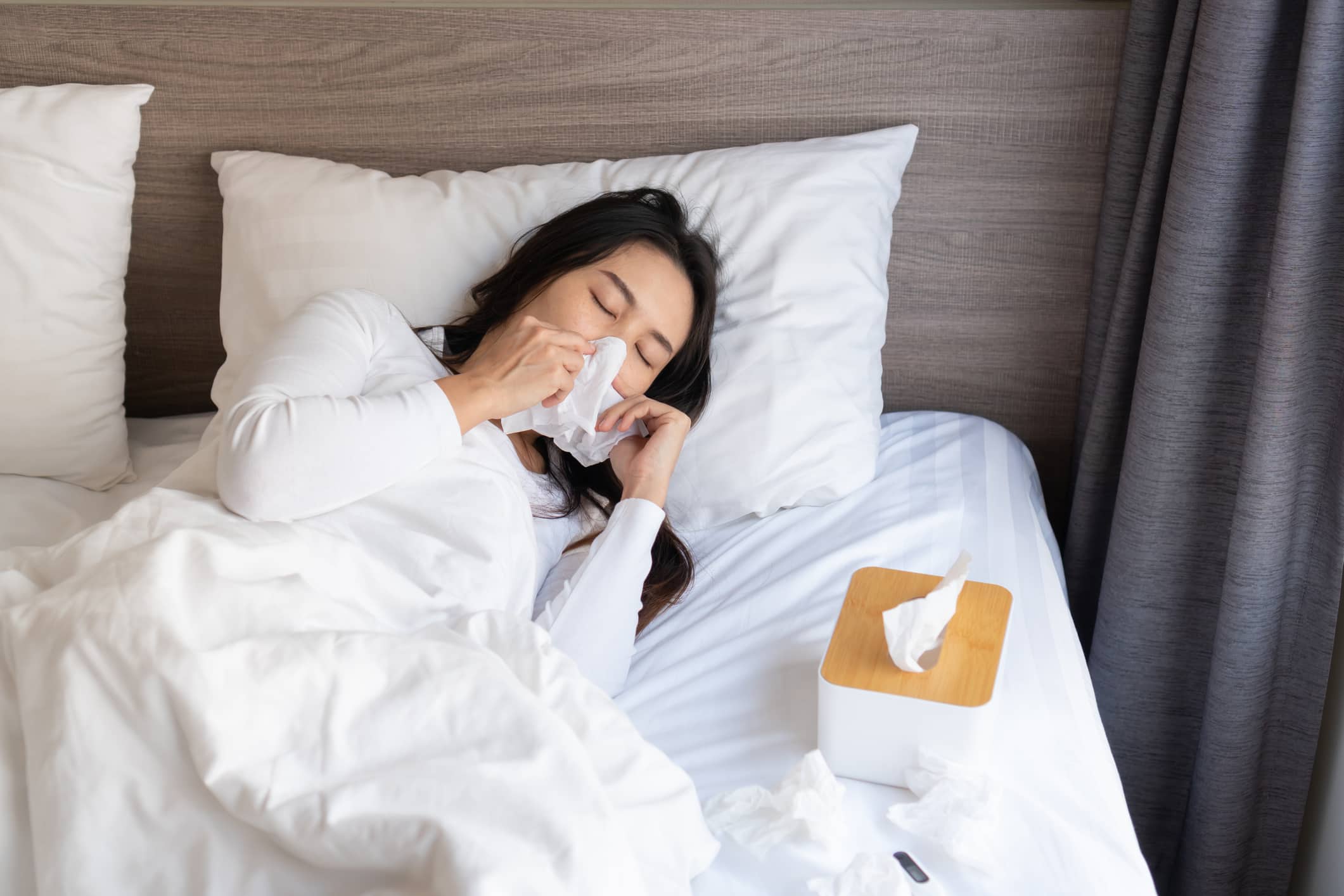
Allergies can be a frustrating aspect of the spring season. Allergies affect daily life, but they can also significantly affect sleep. In fact, those with allergies are typically more likely to suffer from sleep issues. Allergies can make it harder to wake up and can cause symptoms such as headaches, facial pain and pressure.
The University of Alabama at Birmingham Department of Otolaryngology professor Edwyn Boyd, M.D., says airborne allergens like pollen, mold and dust mite proteins can trigger an immune response that releases histamine and cytokines, creating inflammation that drains energy and leads to persistent fatigue.
“This inflammation disrupts normal energy production and can interfere with mood, alertness and sleep,” Boyd said.
Dust mites are not airborne, as they are housed in mattresses, pillows, blankets, carpet, drapes and upholstery. However, the proteins in their feces and exoskeletons can become airborne when disturbed by cleaning or moving furniture.
“These airborne allergens can disrupt sleep by triggering nighttime symptoms that make it harder to fall asleep, stay asleep or reach deep, restorative sleep,” Boyd said.
This inflammatory reaction commonly causes nasal congestion, which restricts airflow at night. People often describe this as brain fog, heavy-headedness or exhaustion that feels flu‑like despite no infection being present.
“Restricted airflow can cause poor sleep, frequent awakenings and daytime drowsiness, which strengthens the sense of ‘spring fever’ during pollen season,” Boyd said. “Reducing exposure by using dust mite barriers for mattresses and pillows, running a HEPA air purifier, washing bed linens and blankets in hot water, or showering before bed can noticeably improve sleep quality.”
In addition, the burst of tree pollen in spring can make allergy symptoms more noticeable. The immune system attempts to protect the body, but it can end up shaping energy levels as powerfully as a mild illness.
As the spring season begins, here are a few ways to sleep better with allergies.
Use an air purifier
Air purifiers can help clear bedroom air of common allergens such as mold, dust mites, pollen or pet dander. These pollutants may cause nasal or throat irritation. Reducing air pollutants in the bedroom with an air purifier can increase deep sleep, help you fall asleep faster and lower snoring due to allergens.
Keep doors and windows closed
Leaving windows or doors open during the day can let allergens and irritants into the home. Keeping them closed can reduce the number of irritants and allergens present at bedtime.
Keep pets out of the bedroom
Pet dander and pet hair are two common allergens that can affect sleep. Keeping pets out of the bedroom at night may reduce exposure to specific allergens. Provide them with a separate space to sleep away from the bedroom.
Shower before bed
Showering before going to sleep can wash away common allergens, such as pollen, before lying down. Integrating showers into nighttime routines can reduce the number of allergens and irritants that come in contact with the bed.